All Categories
Featured
Table of Contents
Pull terms from: Listen for the words clients use when they describe urgency, quality, pricing, and results. Your job is to make it simple for Google to link the dots: Your brand name Your service category Your locations and service areas Your evidence of competence Your trust signals throughout the web Do this throughout your website and your Google Organization Profile, using consistent language and supporting details.
Keep your company story constant across your website, social profiles, directory site listings, and author bios. Many regional ranking gains originated from doing the essentials correctly and regularly. Start with this core setup. Main category is correct and particular Secondary categories are pertinent and not extreme Company name matches real-world branding Hours are accurate and include holiday hours Service locations are realistic and match how you serve Telephone number and site link are appropriate The Providers area is filled with descriptions Company description is clear, human, and locally appropriate Photos are recent and show trust Justifications appear when Google discovers supporting relevance signals in: Your site material Your evaluations Your posts Your services Your concerns and responses You do not require to force them.
Ultimate Local SEO Roadmap for Future GrowthLocal SEO is not just about being found. It has to do with being selected. Your service pages should address the genuine questions buyers have, rapidly, in a human voice, with evidence. Every core service page should include: A clear guarantee of what you do A basic description of who it is for The areas you serve Pricing guidance where possible What occurs after someone calls or submits a form Trust evidence such as reviews, qualifications, and process clearness A strong call to action above the fold and again later on Keep the language natural.
Use geographical references as context, not as decoration. Location pages work when they are real pages, not clones. If you target numerous cities, each area page ought to seem like it was written particularly for that city. That is what safeguards you from replicate content concerns and makes the page beneficial for human beings.
Why GEO or AI Reshape Local Search
Construct a few pages properly, then scale when you have a repeatable quality requirement. Internal links are how you guide both users and search engines. A basic internal linking structure looks like this: Homepage links to core services and crucial locations Service pages connect to relevant place pages Location pages connect back to primary services Post link to the most pertinent service or place page High-performing pages get more internal links with time Keep it natural.
A lot of regional business blog sites fail since they compose for keywords, not for people with problems. Your material should do three things: Response real concerns plainly Prove experience and local understanding Make the next action feel easy Excellent local material angles consist of: Expense guides and rates expectations What to do next problem-solving posts Contrast posts that discuss choices Seasonal guides tied to regional truths Mistakes to avoid and how to avoid them Brief lists people can utilize today If you want AI systems to cite you, write like a handy specialist who explains things cleanly.
Explain the steps. Your goal is to make sure the same name, address, and phone information are consistent across relied on platforms, with no duplicates or mismatches. Focus on: Major platforms your clients trust Industry-specific directory sites are relevant Local directories with editorial control Chambers and community websites, when possible Then do regular cleanup.
Ultimate Local SEO Roadmap for Future GrowthCreating the Robust Search Strategy in 2026
Consistency is a long video game that quietly enhances trust. The very best local links come from genuine local relationships and real stories, not from mass outreach. Believe of link structure as building local authority. Strong link sources consist of: Local sponsorship pages Neighborhood occasion pages Local publications and city blog sites Industry publications with local relevance Partner businesses and associations Resource pages that list relied on services Rival backlink audits can reveal what operate in your city.
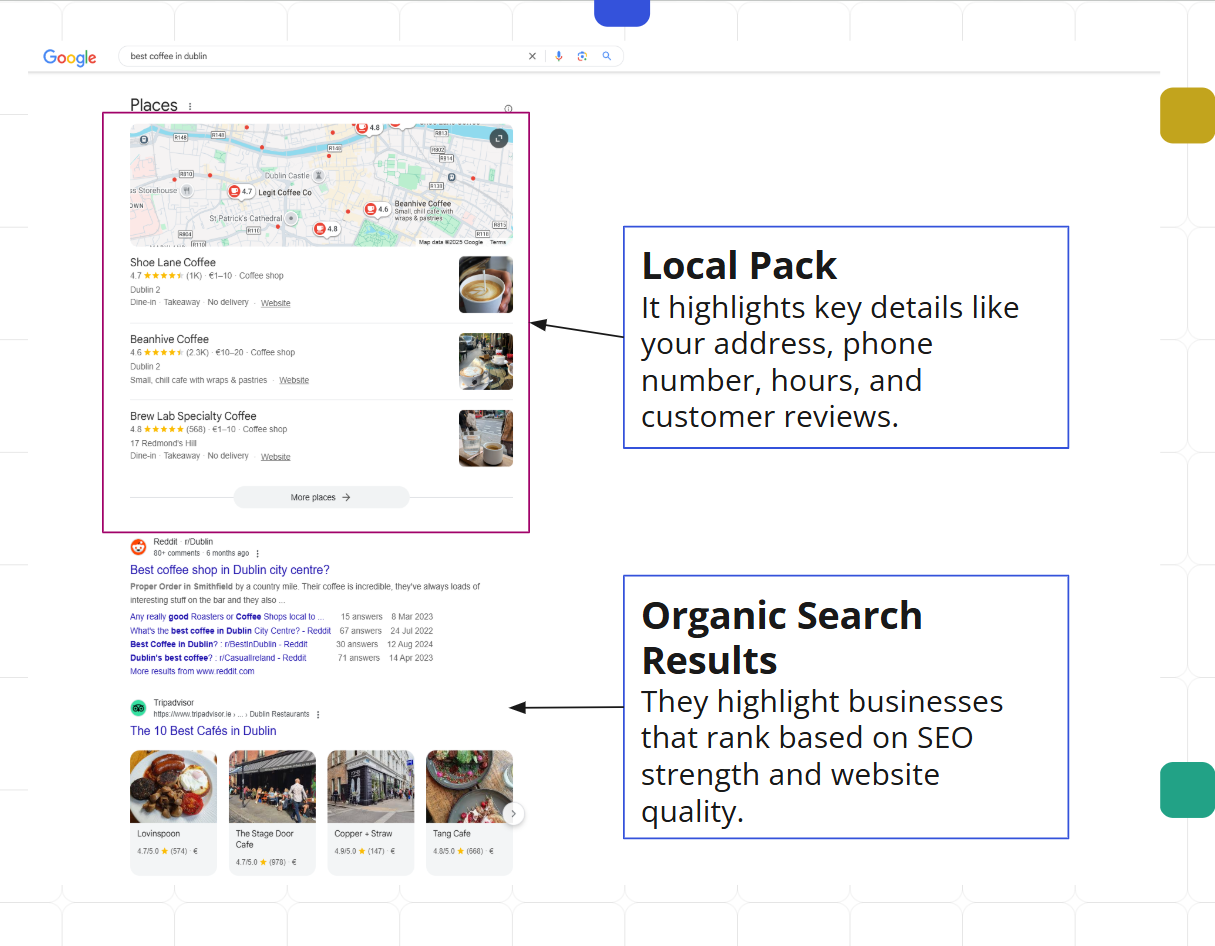
Avoid shortcuts that develop threat. If your reviews slow down, rankings typically follow. An easy track record system includes: A consistent review demand procedure after service A clear link that makes it easy to leave feedback Respond to every review with a calm, professional tone A strategy for dealing with negative evaluations without drama Evaluation monitoring so you can capture issues early Do not script keyword-stuffed reviews.
Customers naturally discuss services and areas when they write honest feedback. Technical SEO is not the enjoyable part, however it is frequently the difference between steady growth and sudden drops. Keep these areas under control: Indexing and crawlability Broken links and redirects Duplicate material and thin pages Canonical concerns where relevant A schema that discusses your service clearly Tracking setup for conversions and calls At minimum, connect: Analytics tracking Call tracking where suitable Conversion tracking for kinds and calls Local SEO without tracking becomes guesswork.
The Complete Search Optimization Guide for 2026
It is a system. Here is a simple regular monthly rhythm that keeps momentum without busywork. Update your Google Service Profile with new photos Publish one or two posts that show real services and seasonal requirements Examine ranking movement for priority keywords Evaluation competitor activity in the map pack Refresh one crucial page with clearness improvements Try to find one regional link chance worth pursuing If you do simply these regularly, most businesses will outperform competitors who only work in bursts.
Develop your keyword list utilizing specific and implicit local intent, plus genuine consumer language Strengthen entity clarity across the site and profiles Totally total Google Company Profile with services, descriptions, images, hours, and classifications Improve service pages for clearness, trust, and conversions Construct distinct area pages just when you can localize correctly Connect pages with internal links that make sense for people Release content that answers genuine questions and supports lead intent Build citations on trusted platforms and keep them consistent Earn local backlinks through relationships, stories, and community evidence Run a basic review and track record system that never stops Keep technical SEO tidy and tracking accurate Maintain month-to-month activity so presence substances Prevent common local SEO errors.
Local SEO in 2026 is no longer about keywords. Google doesn't just read your website. If AI can not find external evidence that your organization is real, active, and dependable, you simply will not reveal up when clients require you most.

Latest Posts
Building a Powerful Local Search Plan
Expert Tips to Boost Your Local Ranking
Mastering the Near Me Search Landscape in 2026